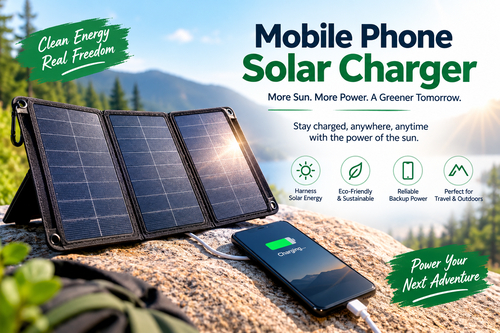
Mobile Phone Solar Charger: How It Works, Benefits & Why You Need One in 2026
As smartphones have become essential for communication, navigation, entertainment, and...

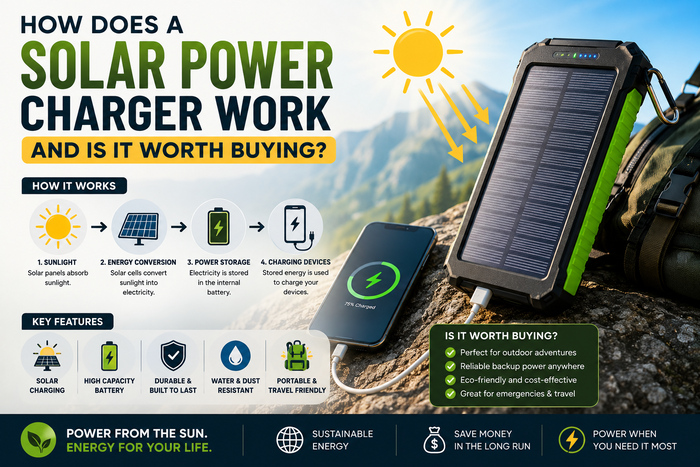
If you've ever searched for a way to charge your devices without relying on electricity, chances are you've come across the term solar power charger. These devices have grown massively in popularity — not just among campers and hikers, but everyday users looking for a backup power solution during outages, travel, or off-grid living. But how exactly does a solar power charger work, and is it actually worth your money?
At iPowerUp Corporation, we specialize in portable solar energy solutions built for real-world reliability. In this guide, we'll break down everything you need to know about solar power chargers — how they function, their real benefits, what to look for before buying, and common misconceptions that often confuse first-time buyers.
What Is a Solar Power Charger?
A solar power charger is a device that uses photovoltaic (PV) panels to convert sunlight into usable electrical energy. This energy is either used to directly charge a connected device or stored in an internal battery for later use. Unlike traditional chargers that depend entirely on electrical outlets, a solar charger gives you the flexibility to generate power anywhere sunlight is available.
Solar chargers generally come in a few different forms:
How Does a Solar Power Charger Actually Work?
The process behind solar charging is fairly straightforward, though understanding it helps set the right expectations:
It's worth noting that solar charging speed depends heavily on sunlight intensity, panel size, and the angle at which the panel is positioned. Direct, unobstructed sunlight will always yield faster and more efficient charging compared to cloudy or shaded conditions.
Why Are Solar Power Chargers Gaining Popularity?
Several real-world factors are driving demand for solar-powered charging devices:
This shift reflects a broader change in consumer priorities, where energy independence and sustainability now play a bigger role in everyday purchasing decisions.
Key Features to Look for in a Solar Power Charger
1. Solar Panel Efficiency
Monocrystalline solar panels typically offer higher energy conversion efficiency compared to polycrystalline panels, resulting in faster charging under direct sunlight.
2. Battery Capacity (for solar power banks)
If you're choosing a solar charger with a built-in battery, look at the mAh rating — higher capacity means more charge cycles before needing a recharge.
3. Output Ports and Charging Speed
Multiple USB-A and USB-C ports with fast-charging support (like PD or QC) allow quicker charging and the ability to power multiple devices simultaneously.
4. Build Quality and Weather Resistance
Since solar chargers are primarily used outdoors, an IP65 or higher water and dust resistance rating is essential for long-term durability.
5. Portability and Weight
A good solar charger should be lightweight and foldable enough to fit into a backpack without adding unnecessary bulk.
Common Misconceptions About Solar Power Chargers
Myth 1: "Solar chargers work instantly, just like wall outlets."
Reality: Solar charging is gradual and depends on sunlight conditions — it's best used as a supplementary or backup charging method, not a replacement for fast USB charging.
Myth 2: "They don't work on cloudy days."
Reality: Most solar panels still generate a reduced charge under diffused daylight, though efficiency drops compared to direct sun exposure.
Myth 3: "All solar chargers perform the same."
Reality: Panel quality, charge controller design, and battery cell grade vary significantly between brands, directly affecting charging speed, safety, and product lifespan.
Tips to Get the Most Out of Your Solar Power Charger
Why Choose iPowerUp Corporation for Your Solar Charging Needs?
At iPowerUp Corporation, we design our solar power chargers with a focus on genuine performance rather than inflated marketing claims. Every product undergoes rigorous testing for panel efficiency, battery safety, and durability under real outdoor conditions. Whether you're a frequent traveler, an outdoor enthusiast, or someone preparing for power outages at home, our range is built to deliver consistent, dependable results.
We combine high-efficiency solar panels, fast-charging technology, and rugged, weather-resistant construction — all backed by transparent specifications and responsive customer support, so you can charge with confidence wherever you are.
Final Thoughts
A solar power charger is no longer a niche gadget reserved for outdoor enthusiasts — it's becoming a practical tool for energy independence, sustainability, and emergency preparedness. By understanding panel efficiency, battery capacity, and build quality, you can choose a solar charger that genuinely delivers when you need it most.
Ready to charge smarter and greener? Explore iPowerUp Corporation's range of high-performance solar power chargers today and experience reliable, eco-friendly charging built for real life.
As smartphones have become essential for communication, navigation, entertainment, and...

Choosing the right cell phone case feels simple until you...
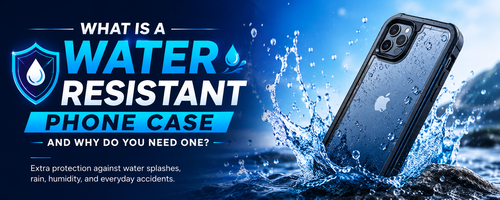
Your smartphone is an essential part of everyday life, but...
If you've ever searched for a way to charge your...
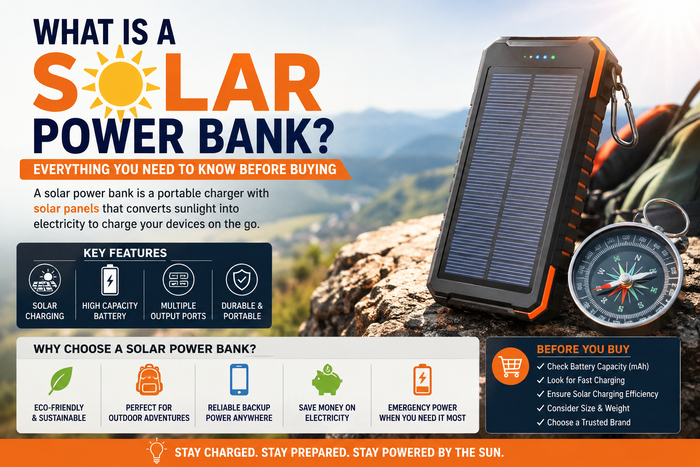
Imagine you are halfway through a hike, your phone is...
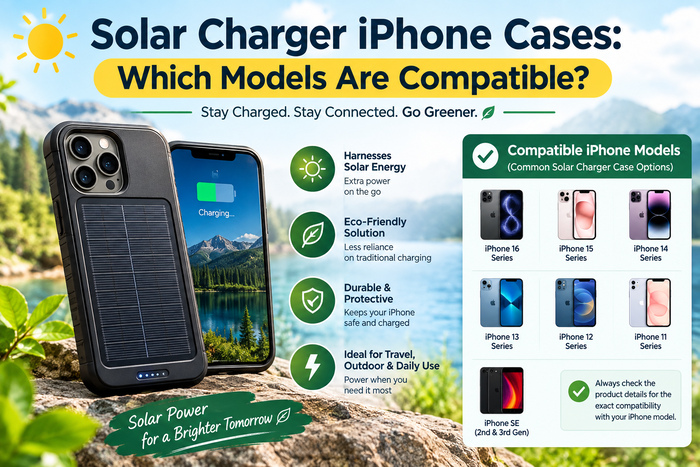
If you've decided to try a solar charger case for...