Zoho Development Company in India: Customize, Automate, and Scale Your Business Operations
Most businesses adopt Zoho because it's affordable and feature-rich —...

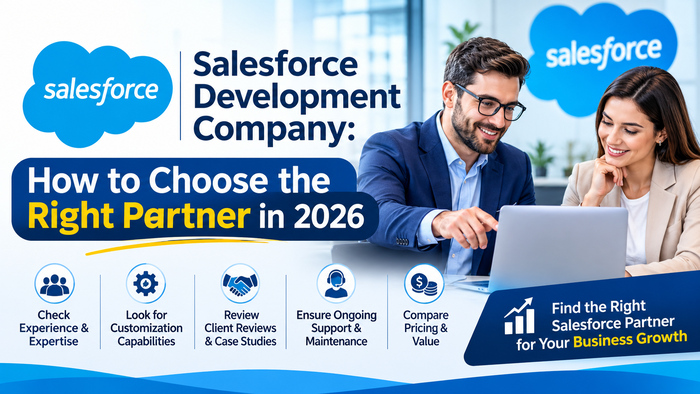
Choosing a Salesforce development company is one of the most consequential CRM decisions you will make. The platform is powerful, but results depend on who configures, extends and supports it. A poor build leaves you with low adoption, messy data and technical debt.
This guide explains what a Salesforce development company does, which Salesforce development services you may need, what they cost, and how to vet a partner. It also includes a delivery timeline, industry examples and an FAQ that many competing pages skip. If you want to see the full service overview first, visit our Salesforce development page.
What Does a Salesforce Development Company Do?
A Salesforce development company designs, builds, connects and maintains solutions on the Salesforce platform. That goes well beyond switching on features. Good partners translate business processes into a working CRM, write code where point-and-click tools run out, and keep the system healthy after launch.
The market backs the platform’s staying power. IDC reports Salesforce led all CRM vendors with a 20.0% market share in 2025, and it is the 13th consecutive year Salesforce has held the top spot. In the newer agent-building category, Salesforce’s share grew from 6.9% to 17.5%, moving it from #4 to #2. For buyers, this means plentiful talent, a mature AppExchange ecosystem and a roadmap centred on AI agents. It also means many agencies claim expertise they do not have.
Salesforce Development vs. Salesforce Implementation
These are different buying decisions. Implementation configures standard clouds (Sales Cloud, Service Cloud) to your workflows. Development adds custom logic, interfaces and integrations. Most projects need both, so look for a partner that does both well.
Core Salesforce Development Services
Custom Salesforce Development (Apex and Lightning Web Components)
Custom Salesforce development covers Apex classes and triggers, Lightning Web Components (LWC), custom objects, flows and bespoke apps. Visualforce still exists in older orgs, but modern builds should use LWC. Ask any vendor how they handle governor limits, test coverage and code reviews. The answers reveal their maturity quickly. Teams that also work in Python and Node.js are better placed to build the surrounding services.
Salesforce Implementation and Consulting Services
Salesforce consulting services start with discovery: mapping your sales funnel, service queues and reporting needs before configuring anything. A solid implementation covers cloud setup, roles and permissions, data model design and user training. Skipping training is the most common reason adoption fails.
Salesforce Integration Services
Your CRM rarely works alone. Salesforce integration services connect it to ERP, accounting, websites, payment gateways, marketing tools and support systems through APIs, middleware or MuleSoft. If you run an online store, a partner with e-commerce solutions and Magento development experience avoids handoff gaps. Insist on documented data flows, error handling and retry logic, not just “it syncs.”
Salesforce Data Migration
Moving legacy CRM or spreadsheet data demands cleansing, deduplication, field mapping and validation. Rehearse the migration in a sandbox first. A clean data load is the foundation for every report and automation that follows. Evaluating other platforms too? Compare options such as Microsoft Dynamics 365 and Zoho One before you commit.
Salesforce Customization and Automation
Customization tailors page layouts, dashboards, approval processes and Flow automations so reps spend time selling rather than entering data. Automating lead assignment, follow-ups and approvals typically delivers the fastest visible win.
Agentforce Implementation and Data 360
AI is now central to Salesforce delivery. Agentforce lets companies deploy AI agents for service, sales and operations, while Data 360 (formerly Data Cloud) unifies customer data so those agents have reliable context. The shift shows in the numbers: Salesforce’s second fiscal quarter of 2027 brought revenue of $11.3B, up 11%, with Agentforce recurring revenue above $1.5B. Agents are only as good as your data and guardrails, so favour partners who talk about governance, testing and fallback paths rather than demos alone. For adjacent AI work, see our AI chatbot development and generative AI solutions.
Salesforce Managed Services
After go-live, managed services cover admin support, release management, user requests, health checks and optimization. A retainer is usually cheaper than emergency fixes. Cloud hosting and release pipelines, such as AWS DevOps services, can support the wider stack.
Industry Use Cases
IndustryTypical Salesforce build
HealthcarePatient engagement journeys, appointment workflows, compliance-aware data handling
Banking and financeFinancial Services Cloud, onboarding automation, relationship dashboards
Real estateLead routing, property and deal tracking, agent portals
EducationAdmissions pipelines, student service cases, Experience Cloud portals
ManufacturingPartner portals, quote-to-cash, field service coordination
Retail and e-commerceUnified customer profiles, loyalty, Commerce and Marketing Cloud journeys
Our Delivery Process and Typical Timelines
A dependable Salesforce development company follows a clear sequence:
These ranges are indicative. A single-cloud rollout for a small team can land in 8-12 weeks, while a multi-cloud enterprise programme can run well beyond six months. Treat any vendor that quotes a fixed timeline before discovery with caution.
Salesforce Development Cost: What Drives the Price
No honest vendor can quote accurately without scoping, but these factors move the number most:
For context, one industry blog puts strategic consulting in the USA at roughly $150 to $300 per hour. Offshore teams typically cost less per hour, but compare total delivery quality, not just rates.
How to Choose a Salesforce Development Company
Use this checklist when you evaluate vendors:
Red flags: guaranteed timelines before discovery, no sandbox usage, vague answers on integrations, or a team made up only of juniors.
Salesforce Development Company in India: Why Businesses Look Offshore
India has one of the world’s largest pools of certified Salesforce talent. Teams in Delhi NCR (Gurgaon, Noida), Bangalore, Hyderabad, Pune and Mumbai serve clients across the USA, UK, UAE and Australia. Benefits include lower total cost, broad skill depth across clouds, and the option of follow-the-sun support.
To make offshore work, agree on overlap hours, a single project owner, weekly demos and shared documentation. Also plan for discoverability once your Salesforce-connected website or portal goes live; our SEO services and local SEO can help, and mobile app development extends your CRM to field teams.
Frequently Asked Questions
What services does a Salesforce development company offer?
Consulting, implementation, custom development, integration, data migration, automation, analytics, Agentforce and managed support.
Which languages are used in Salesforce development?
Apex, JavaScript (Lightning Web Components), HTML and CSS, SOQL/SOSL for queries, and Visualforce in legacy orgs.
How long does a Salesforce project take?
From a few weeks for a focused single-cloud rollout to many months for complex multi-cloud programmes. Discovery determines the real figure.
Is Salesforce suitable for small businesses?
Yes. Editions and phased rollouts let smaller teams start with core Sales or Service Cloud and add features later.
Can Salesforce integrate with my existing software?
Yes, through APIs, middleware and MuleSoft, with ERP, payment, marketing and support tools.
Should I choose onshore or offshore?
Choose onshore for heavy on-site collaboration and offshore or hybrid for cost efficiency, provided communication and governance are strong.
Conclusion
The best Salesforce development company is not the cheapest or the loudest. It is the one that starts with your processes, builds with engineering discipline, protects your data and stays accountable after launch. Use the checklist above, ask for proof, and insist on a discovery phase before any commitment.
Next Step
Ready to shortlist a partner? Contact us for a free Salesforce consultation. Share your goals, current stack and timeline, and we will outline the right clouds, integrations and a realistic plan.
Most businesses adopt Zoho because it's affordable and feature-rich —...
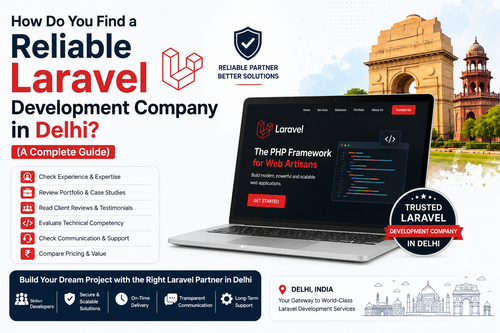
Every year, hundreds of businesses in Delhi search for a...
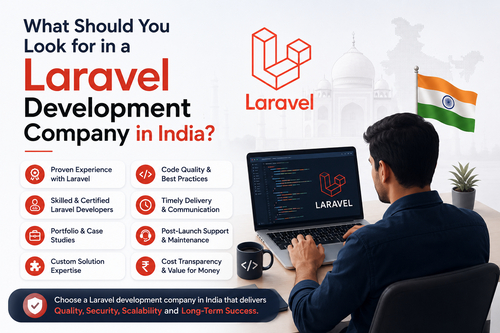
In today’s competitive digital landscape, businesses need web applications that...
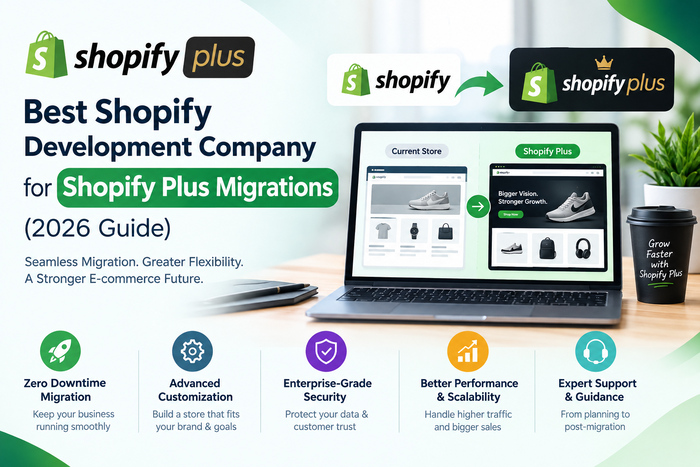
Migrating to Shopify Plus isn't the same as launching a...
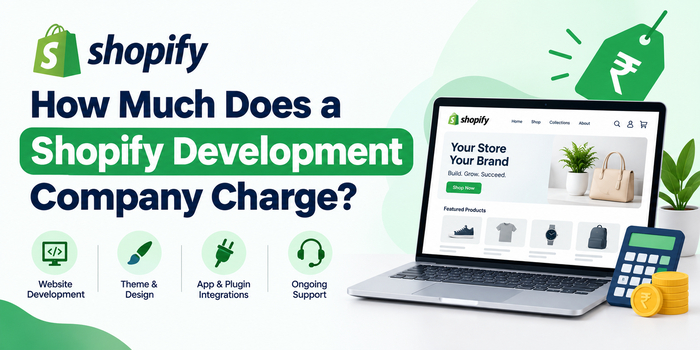
You have a product, a brand name and a budget....
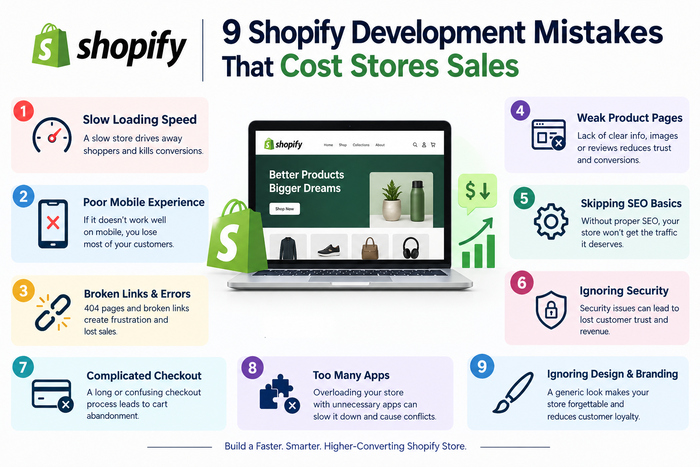
You launched your store, the design looks great, and the...
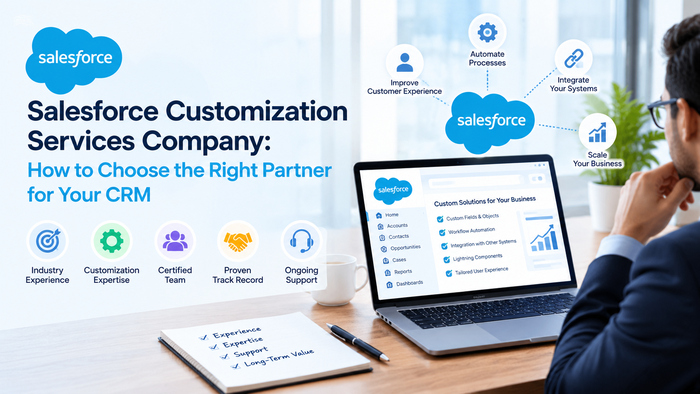
Salesforce is a powerful CRM out of the box. But...
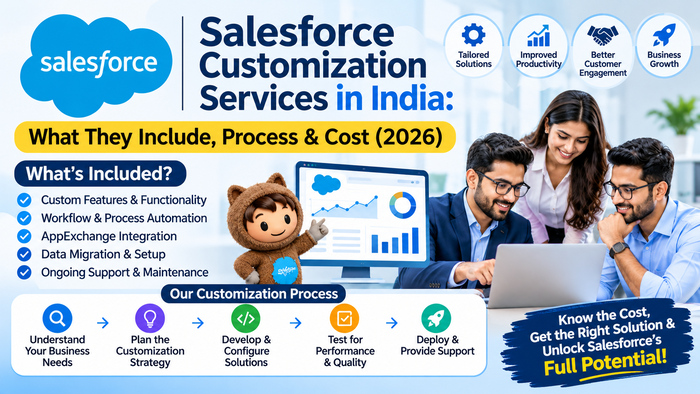
Salesforce works well out of the box, but no two...
Choosing a Salesforce development company is one of the most...

Is Your MSME losing money due to delayed payments by...

Are delayed payments, contract disputes or financing troubles disrupting your...

CarPlanet is your trusted destination for professional car audio installation...

Seek professional legal advice for civil appeals or criminal appeals....