How Walmart Marketplace Management Services Can Boost Your Online Sales
Selling products online through Walmart can give businesses access to...

Every Amazon seller eventually hits the same wall. Organic sales slow down, competitors start showing up above you in search, and the only way to stay visible seems to be advertising.
So you turn on a few campaigns. Sales go up. Then the monthly bill arrives, and you realise you're spending ?1 to make ?1.10, or worse.
This is why Amazon PPC management services exist. Done well, Amazon advertising is one of the most reliable ways to grow. Done badly, it quietly eats your margin. In this guide we'll cover what PPC management actually involves, which numbers matter, how agencies charge and how to choose the right partner. We'll also share how Magic Infomedia runs campaigns.
What Is Amazon PPC?
PPC stands for pay-per-click. On Amazon, you bid on keywords or products, and your ad appears in search results or on product pages. You pay only when someone clicks.
Amazon offers several ad formats:
Each format has a different job. A good strategy uses them together rather than running everything in the same way.
What Are Amazon PPC Management Services?
Amazon PPC management means handing your advertising to specialists who plan, launch, monitor and optimise campaigns every day. The aim isn't just to get clicks. It's to get profitable orders at a controlled cost.
A professional team will:
If you're also considering broader marketplace support, our overview of why more Amazon sellers are turning to management services shows where PPC fits into the bigger picture.
What's Included in Amazon PPC Management Services?
Here's what a thorough service covers.
1. Account and Campaign Audit
Every good engagement starts with a look at what already exists. The audit finds:
2. Keyword and Targeting Research
This goes beyond guessing. Teams study search term data, competitor listings and customer language to find:
3. Campaign Structure and Setup
A messy structure makes results impossible to read. A clean one usually separates:
4. Bid and Budget Management
Bids aren't "set and forget." Specialists adjust them based on conversion data, placement results and competition, and move budget toward campaigns that earn it.
5. Search Term Analysis and Negative Keywords
Reviewing the search term report weekly is one of the highest-value tasks in PPC. It reveals what shoppers actually typed, so you can promote winners and block losers.
6. Listing Support
Ads send traffic, but your listing closes the sale. Quality images, strong bullets and rich content all lift conversion, which lowers your cost per sale. If you want to understand how content affects this, see our comparison of Basic vs Premium A+ Content.
7. Reporting and Strategy Reviews
You should receive clear reports showing spend, sales, key metrics, what changed and what comes next. Vague charts without explanation are a warning sign.
The Metrics That Actually Matter
Many sellers stare at the wrong numbers. Here's a plain-English guide.
Know Your Break-Even ACOS
Here's a quick way to avoid losing money. Your break-even ACOS equals your profit margin before ad spend.
For example, if your product has a 30% margin before advertising, then an ACOS above 30% means you lose money on each ad-driven sale. Anything well below it is profit. Some brands knowingly run above break-even during launch to build rankings, but that should be a planned decision, not an accident.
Signs You Need Professional PPC Management
You might benefit from help if:
In-House vs Agency vs Software
OptionProsCons
In-houseFull control, deep product knowledgeHiring cost, learning curve
AgencyExperienced team, quick start, flexibleNeeds trust and clear reporting
Automation softwareFast, low costLimited strategy, no human judgement
Many strong setups combine them: a specialist team using good tools, with the seller staying close to strategy.
How Do Amazon PPC Agencies Charge?
Pricing is one of the least transparent parts of this industry, so let's be clear about the common models:
What affects the cost:
Whatever the model, ask for the scope in writing and make sure ad spend stays in your Amazon account, paid directly to Amazon.
Our Amazon PPC Process at Magic Infomedia
At Magic Infomedia, we run advertising around profit, not just sales volume. Here's how we usually work.
Step 1: Audit and goal setting
We review your existing ads, listings and margins, then agree on realistic targets, such as break-even ACOS, growth goals and launch plans.
Step 2: Listing check
We flag weak images, titles or content that would waste ad traffic, since fixing these first often improves results quickly.
Step 3: Structure and keyword plan
We build a clean campaign framework with separate discovery and performance campaigns.
Step 4: Launch and learn
We start with controlled budgets, gather data and avoid hasty decisions in the first days.
Step 5: Daily and weekly optimisation
Bid changes, negative keywords, budget shifts and placement tweaks happen on a regular rhythm.
Step 6: Reporting and review
You get a clear summary of what worked, what didn't and what we'll do next.
Common Amazon PPC Mistakes
We've covered this topic in more depth in our guide on 5 mistakes sellers make before hiring Amazon PPC management services, which is worth reading before you sign any contract.
Red Flags When Choosing a PPC Partner
Be cautious if a provider:
Questions to Ask Before You Hire
Why Choose Magic Infomedia for Amazon PPC Management Services?
With over 20 years of experience supporting businesses across data, ecommerce and digital services, Magic Infomedia combines analytical discipline with marketplace knowledge. When you choose our Amazon PPC management services, you get:
Our goal is simple: make every rupee of ad spend work as hard as possible.
Frequently Asked Questions
How much should I spend on Amazon PPC?
It depends on your margins, competition and goals. Many sellers start modestly, learn from data and scale what works.
How long before I see results?
You'll usually see early signals within a few weeks, but meaningful optimisation often takes a couple of months as data builds.
Is a lower ACOS always better?
No. A very low ACOS can mean you're under-investing. The right target depends on your margin and growth goals.
Do I keep ownership of my ad account?
You should. Your campaigns, data and budget should stay in your own Amazon account.
Can PPC help organic ranking?
Ad-driven sales can support visibility and ranking over time, especially when combined with good listings and reviews.
Final Thoughts
Amazon advertising rewards patience, data and discipline. The sellers who win aren't always the ones who spend the most. They're the ones who understand their numbers, fix their listings and keep improving week after week.
If you're ready to make your ad spend more profitable, Magic Infomedia is here to help. Contact our team for a free consultation and let's build a PPC plan around your goals.
Selling products online through Walmart can give businesses access to...
Protect your Amazon business with professional Amazon Account Health Management...
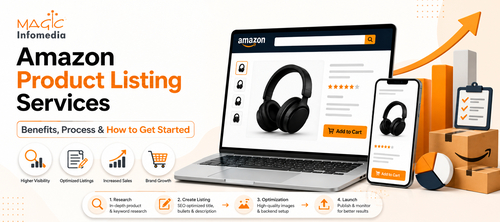
Selling successfully on Amazon requires more than simply uploading product...
Selling on eBay can open the door to millions of...
If your Amazon sales have plateaued — or worse, started...
Running an Amazon store sounds simple until you're actually doing...

You can have a great product, a fair price and...
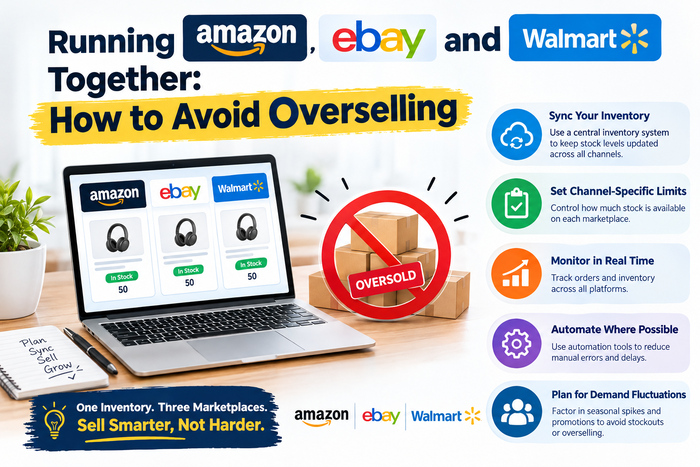
Picture this. You have 12 units of a bestselling item...
Most Amazon sellers know the feeling. Ad spend goes up...
Every Amazon seller eventually hits the same wall. Organic sales...
Every Amazon seller eventually hits the same wall. Organic sales...

Looking for a reliable Exhibition Stand Builder Frankfurt for your...

E-commerce website development cost in India depends on design complexity,...

Being confronted with criminal charges or experiencing anxiety about any...